Bio
Ducharme’s Story
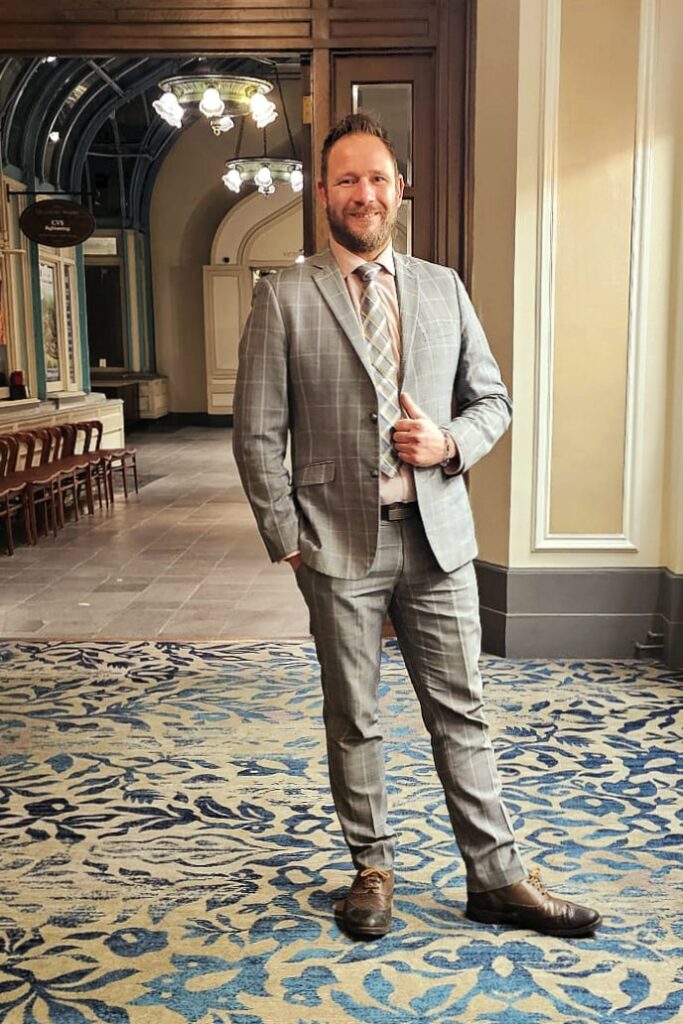

Ducharme was born in Edmonton, Alberta, in 1981 and relocated to Vancouver, BC, at nine years old following his parents’ separation. At fourteen, a childhood tragedy occurred when his mother was brutally murdered by her live-in boyfriend, a man Ducharme looked up to. This event began to shape Ducharme’s philanthropy.
To overcome his pain and find resolve, Ducharme participated in the Fraser Valley Community Justice initiatives’ Victim Offender Mediation Program and first met with his Mother’s killer in prison in 1999 and later again in 2012 and 2018. His story is profound; his ability to forgive the man who murdered his mother shows incredible insight and his will not just to live, but also to be happy. For several years, he participated in sharing circles with youth inmates and adult lifers on the importance of forgiveness, compassion, healing, hope, and reconciliation.
In 2003, Ducharme achieved his Bachelor of Arts degree in Sociology from Concordia University of Edmonton, where he also published his first of two books: “The Truest Aspirations of a Poet.” As Vice President of the Concordia Students’ Association, Ducharme was recognized as the University’s ‘Student of the Year’ for his commitment to community engagement and student life by planning and executing 32 successful events in just 8 months. He received the ‘Jason Lang Award’ for demonstrating strong community leadership and for triumphing after social adversity.
As an offshoot of his use of rollerblading as a physical release for strong anger, Ducharme spearheaded “A Blade to Consider,” a $35,000 charity fundraiser dedicated to his mother and to a university friend, Const. Peter Schiemann, one of four fallen RCMP officers killed in 2005 in Mayerthorpe, Alberta. By thirty, Ducharme had sadly lost 5 people to murder. Happily for Vancouver, he returned in 2007 and set out to help wherever possible. First, as a Youth to Adulthood Transition Worker, helping high-risk Aboriginal youth in Vancouver’s Downtown Eastside.

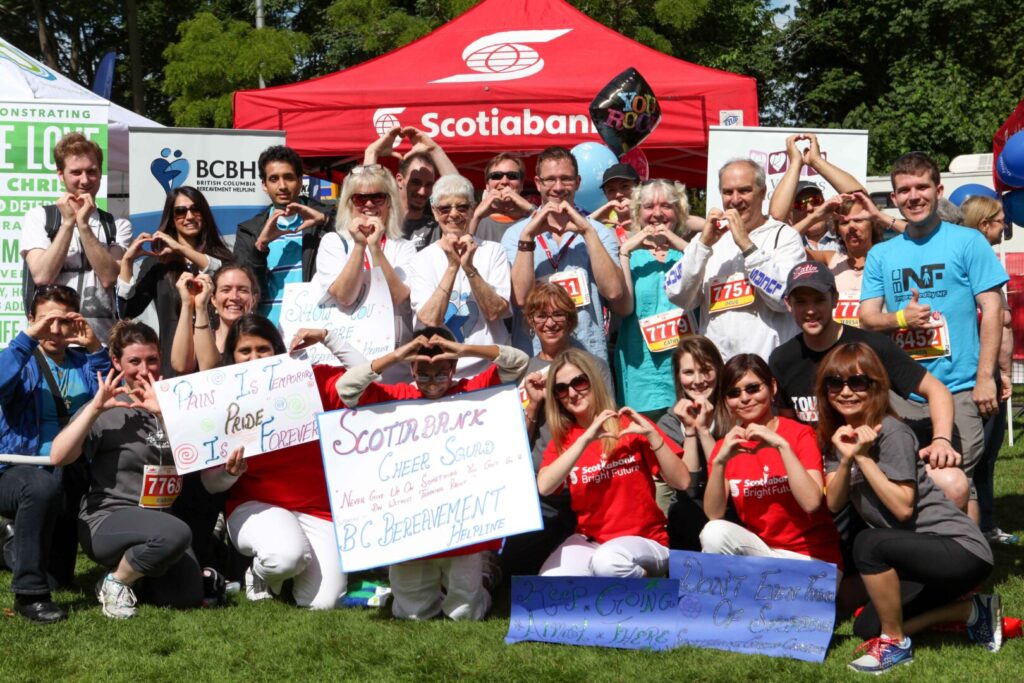
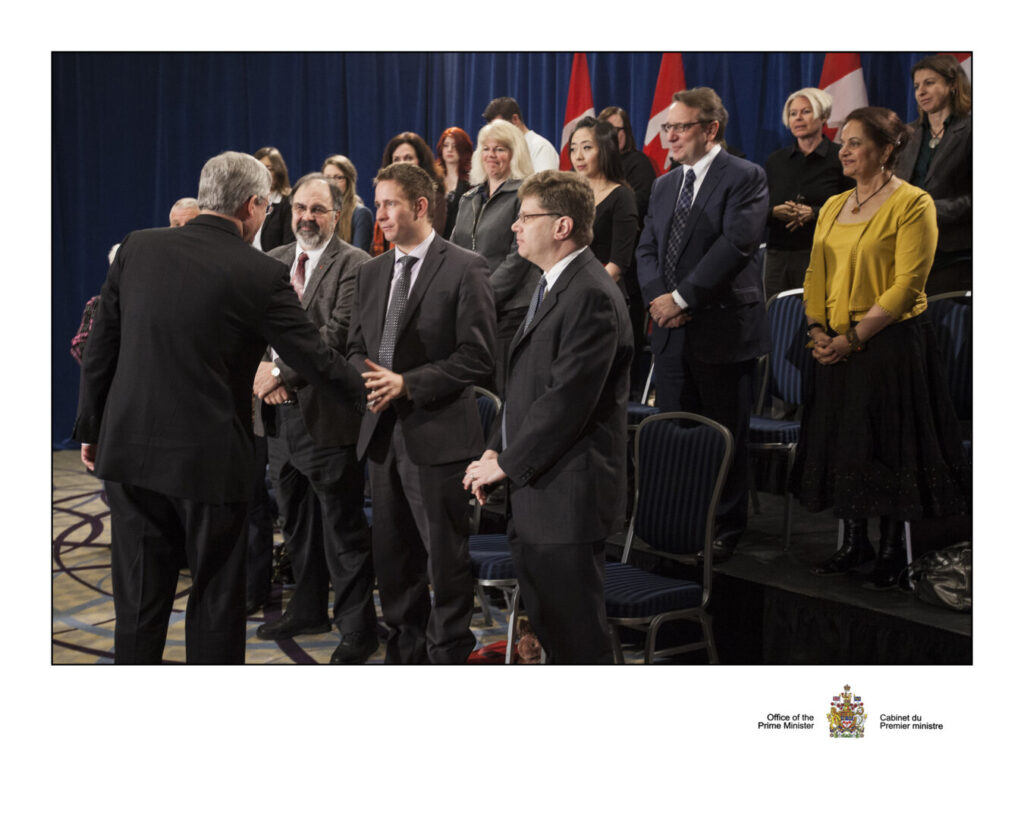
From 2008 to 2014, while in a management career at Scotiabank, Ducharme volunteered as Director, Board Chair, and President of the British Columbia Bereavement Helpline Board of Directors. During his presidency, he garnered awareness, credibility, and support and raised over $750,000 to create ‘BC Victims of Homicide,’ a sustainable, province-wide homicide-loss support program. He networked with the Prime Minister, federal ministers, world leaders, academic and financial institutions, celebrities, communities, and partners. He actively coordinated and participated in federal press conferences, round tables, conventions, symposiums, lectures, and galas. He was the Keynote Speaker at the Western Canada Conference for Victims of Homicide, an expert witness testifying on bills in the House of Commons, and a National Spokesperson for National Victims of Crime Week in Canada.
Ducharme also created and co-produced ‘Aftermath of Murder: Survivor Stories,” a Canada-wide online media education series consisting of 18 short-form documentaries that reached an audience of over two million. The aim was to empower surviving victims to use their voice in the media and in society. Ducharme enjoyed performing his own poetry, in therapeutic expression, at a national conference in Ottawa. He played an integral role on the Federal Ombudsman’s National Core Planning Team to help create Canada’s first Canadian Victims’ Bill of Rights in 2012.
For making significant contributions to Canada, Ducharme was duly nominated by Canadian Parents of Murdered Children and the Rick Hansen Foundation to be a recipient of the Queen Elizabeth II Diamond Jubilee Award. He also ranked in the top 25 of 7,000 medal bearers nominated for the Rick Hansen 25th Anniversary Relay and featured on CTV’s national documentary as a ‘CTV Featured Difference Maker.’
In 2010, Ducharme conceptualized “Vision 2030,” a project that directly answers the 2013 UN call for bringing attention to the global homicide issue, naming it a world issue for the first time in history. Ducharme’s philanthropic approach will spark a new global community that will empower countries around the world.
Ducharme is an orator, a dreamer, and a visionary; his life mission is to develop international homicide bereavement and prevention programs. His ultimate goal is to remove ‘murder’ from our news vocabulary and to remediate the effects of the harm and misery it creates. Murder is an unnatural and preventable global issue deserving global attention, serious funding commitments, and dedicated administrative and program support to support a global promise for meaningful and lasting social and psychological change.
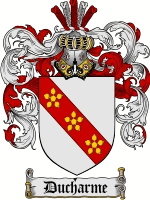
The name “Ducharme” carries deep meaning. In French, charme refers to charm, allure, and inner grace. True to his name, Mr. Ducharme channels that essence into his work — using empathy, insight, and hope to guide others through trauma and healing.
My Inspiration: Michael Cuccione – A Canadian Hero
I began my philanthropic path around the same time that the movie ‘Pay It Forward” was released in 2000. At the same time, I met my first Canadian hero, Michael Cuccione, from The Michael Cuccione Foundation, who died in 2002. Michael inspired me to live with love and compassion, and a grand vision and purpose. He opened my eyes to my own purpose and his legacy, and his parents, Gloria and Domenic, introduced me to amazing circles that further inspired me to follow my dreams of making Canada and this world a better and safer place.
Michael’s quote, “making a difference,” resonated with me, and while my mother never died from Cancer, it made me want to follow in his footsteps of speaking, motivating, and healing our society. Michael died at the age of 16 with a dying wish that no other child would suffer from cancer again. Truly an honorable and admirable young man whom I never had the chance to meet.
“True justice is about reclaiming our lives…it is not dependent on retribution or punishment, but it is crucial to find strength to extend self-compassion. With open-mindedness to witness remorse, accountability and responsibility, empathy and healing is possible to start to live safely with ourselves, with our pain, memories and eventually with each other.”
-Ducharme