Home
Truth. Justice. Accountability. Public Safety.
One Family’s 30-Year Search for Answers—and a Call for Change.
Our family has 30 years of documented, unsuccessful attempts to seek answers from the Federal Government for the wrongful death of our mother, “Pretty Patti”.
We have documented evidence raising serious questions about police surveillance, the information available to authorities, and whether opportunities to protect Patricia were missed. We are seeking transparency, accountability, truth, justice, and compensation.
Nearly three decades later, our family continues to seek answers to why authorities never warned our mother.
What began as a personal tragedy became a lifelong commitment to victims’ rights, homicide-loss support, justice reform, and public safety. Through decades of advocacy, Christopher Ducharme has worked alongside victims, survivors, government, Parliament, and national victims’ organizations to bring greater recognition and support to families affected by violent crime.
Now, it is his turn to advocate for his mother, his family, and all Canadians who deserve the right to be informed and given a voice in decisions that affect their safety.
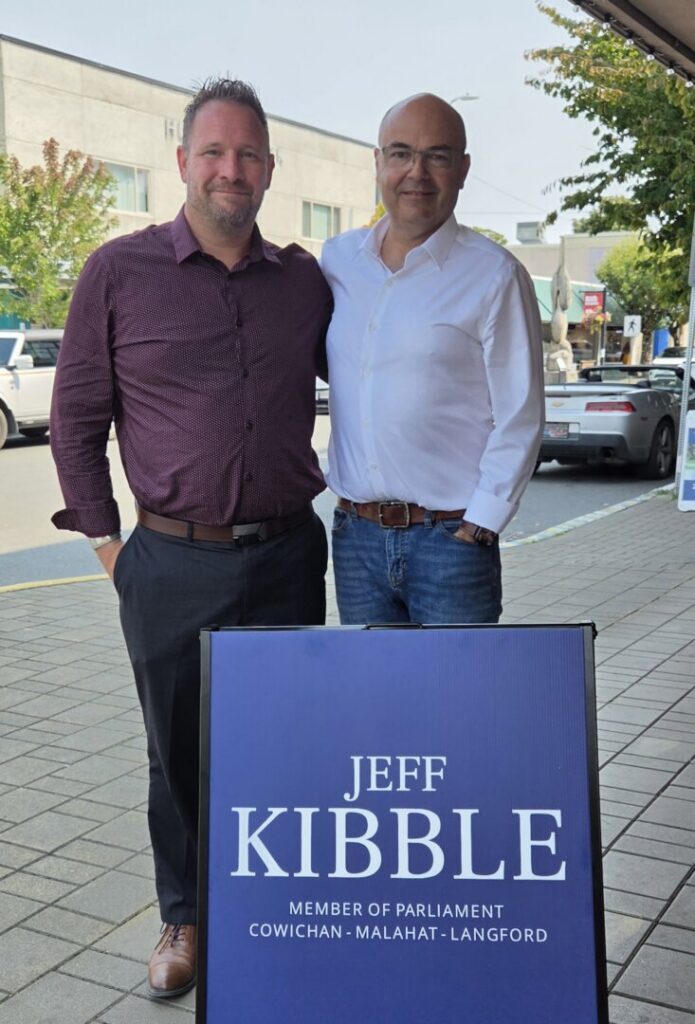
Pretty Patti’s Wrongful Death
Who was supposed to warn Patricia Grace Ducharme while Graham was under Surveillance for Murder?
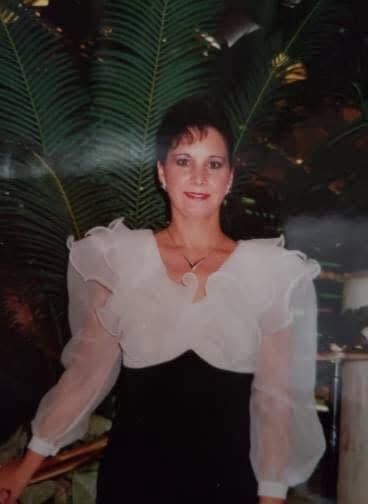
Today, our family is asking Canadians to look more closely at Patricia’s story.
In 1996, Patricia Grace Ducharme (Pretty Patti) was murdered while living in her home with her three minor children, while her live-in boyfriend and former Vancouver Police officer, Brock Graham, was being actively surveilled in connection with the previous murder, disappearance, and dismemberment investigation of Lynn Duggan. This occurred shortly after two serious criminal convictions involving a Special O surveillance team member and an off-duty police officer.
The recent release of Patricia and Lynn’s convicted killer on Day Parole into a halfway house has brought these longstanding concerns back into the public spotlight—including concerns about the Parole Board of Canada, secondary victimization of victims’ families, victim participation, transparency, and personal and public safety.
After 30 years, we believe these questions deserve more than silence. They deserve answers.
Graham’s Parole Approved – History Must Not Repeat Itself
After our mother was not warned by authorities 30 years ago, today’s history feels painfully familiar.
Graham has now been released into the community. Once again, our family is facing a system where a high-risk offender may be monitored, while victims’ families and the public are left without critical information about his release or whereabouts.
It is a victims’ rights and public safety issue. What has changed in 30 years? Who is being protected? And why are victims and the public still left with unanswered questions?
We are calling for transparency, accountability, stronger victims’ rights, and a national inquiry into the Parole Board of Canada. We need your help.
“Painfully, our family is being victimized again by the approval of Brock Graham’s parole. The way we were treated throughout this process has been appalling.
After decades of standing beside other survivors, I now know firsthand what it feels like to be ‘stuck’ in a system that does not give victims an equal voice or place public safety at the centre of its decisions.
Patricia could not speak for herself. I will continue speaking for her—and for every victim and family who deserves to be heard, informed, and protected.”
— Christopher Ducharme
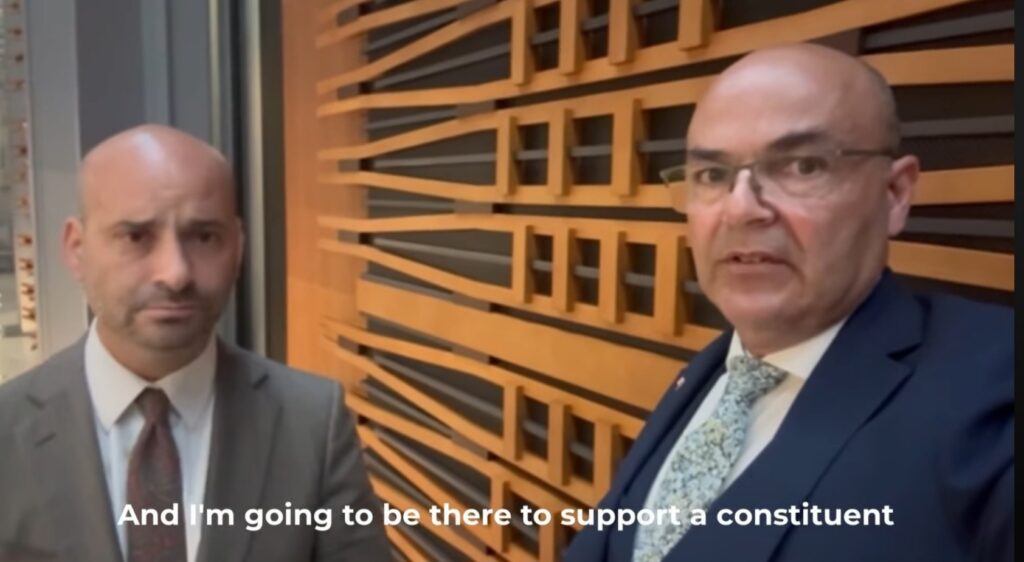
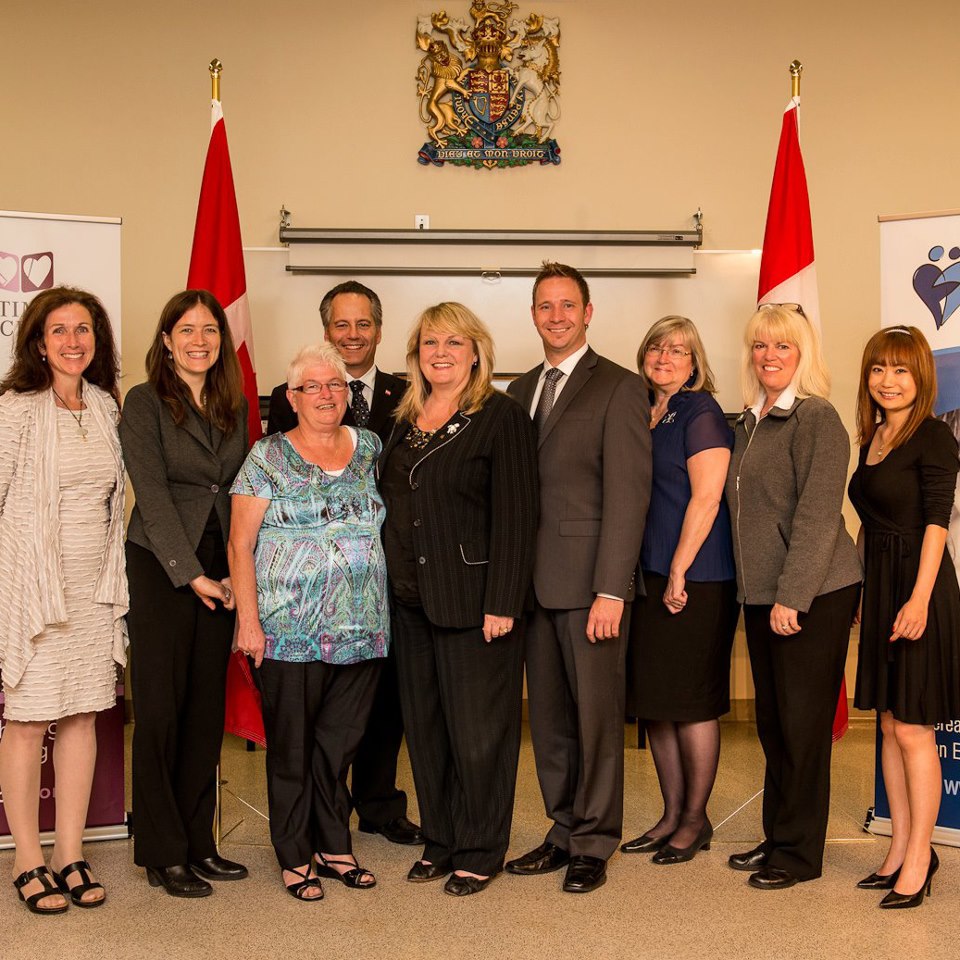
Following the approval of Brock Joseph-William Graham’s release at his Day Parole Hearing on June 23, 2026, in Kingston, Ontario, MP Jeff Kibble, MP Frank Caputo, and the Federal Ombudsperson for Victims of Crime, Dr. Roebuck, who attended the parole hearing, continue to stand alongside the Ducharme family.
A Voice for Victims and Survivors
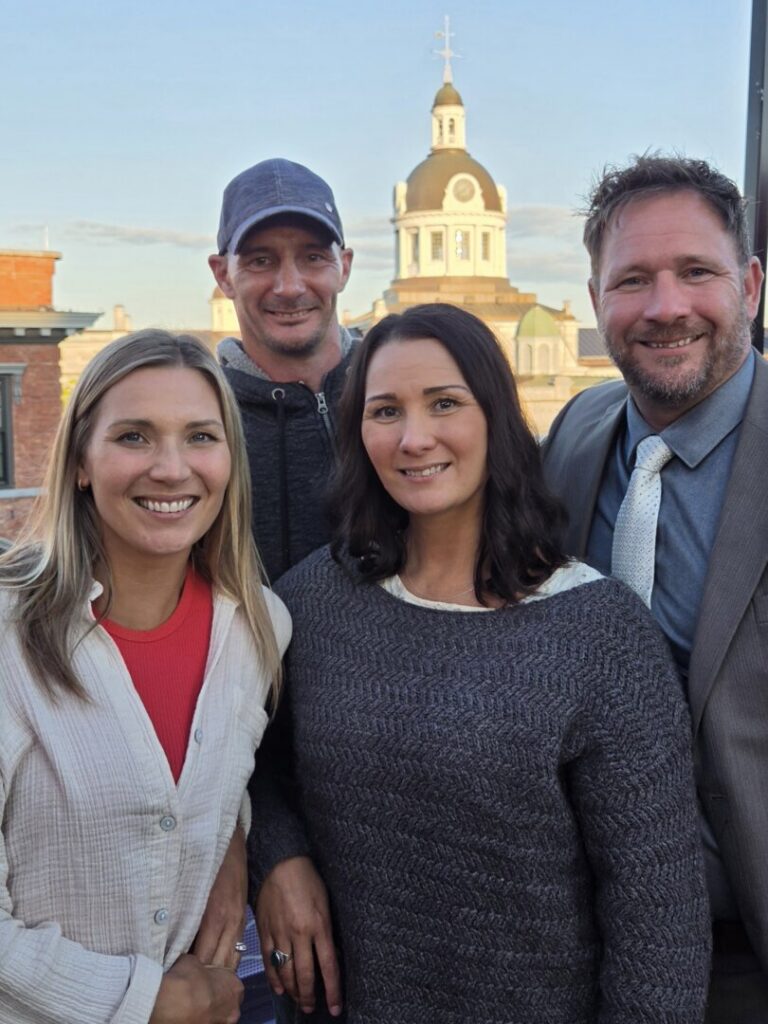
Ducharme Global is also a place for survivors to find connection, understanding, and support.
Through BC Victims of Homicide, Christopher founded a province-wide homicide-loss support program under the BC Bereavement Helpline.
He also co-created a federally funded educational campaign and therapeutic video series called Aftermath of Murder: Survivor Stories, allowing survivors to tell their experiences in their own voices.
These stories remind us that every homicide affects more than one person—and that every survivor grieves differently.
From Personal Loss to Public Change
The purpose of Ducharme Global is to connect lived experience with meaningful change.
We believe victims and families deserve to be heard throughout the justice process, governments must be transparent and accountable, and public safety must remain at the centre of decisions affecting victims, survivors, and communities.
Our work is about more than looking backward; It is about learning from what happened to Patricia so that other families are better protected tomorrow.
Vision 2030 – A Global Homicide Project
The long-term vision extends beyond Canada.
Christopher Ducharme’s long-term vision and life’s passion extend far beyond Canada’s borders. After serving as a national spokesperson for victims with the Government of Canada’s Department of Justice, contributing to the development of Canada’s Victims Bill of Rights, and receiving the Queen Elizabeth II Diamond Jubilee Medal for significant contributions to Canada, Christopher is turning his attention to a global challenge: reducing homicide rates, advancing victims’ rights, justice reform, and support for families affected by homicide.
The Global Homicide Project seeks to address the United Nations Office on Drugs & Crime (UNOC) Global Studies on Homicide Reports (2011, 2013, 2019 and 2023 editions) to build international dialogue among survivors, governments, victims’ organizations, policymakers, and global stakeholders to advance victims’ rights, homicide prevention, justice reform, and compassionate support for families affected by violence.

One voice can begin a conversation. Together, we can create change.
Stand With Us
Learn the story. Examine the evidence. Hear the survivors. Ask questions. Help us demand transparency, accountability, and safer communities.
Patricia’s story matters. Victims’ voices matter. What we learn from the past can help protect the future.