PBC Investigation
Victims First Canada
(An Independent Survivor-Led National Advocacy Group)
Canada’s Parole System Must Be Accountable to the People It Is Meant to Protect
Canadians deserve transparency, accountability, and meaningful consideration of public safety when individuals convicted of serious violent offences are released into the community.
This is about more than one parole decision—it is about whether Canada’s laws and policies strike the appropriate balance between an offender’s privacy and security interests and the rights, safety, and access to information of victims, their families, and the public. It raises fundamental questions for all Canadians:
Do the current laws and Parole Board policies reflect the values and expectations of the communities they are intended to protect, and do they give victims and their families a meaningful voice when decisions directly affect their safety?
Two calls to action to show your support:
This Is More Than One Case—It Is a Call for National Change.
Calling for a National Independent Investigation of the Parole Board of Canada
The Ducharme family’s recent and ongoing experiences with the Correctional Service of Canada and the Parole Board of Canada have sparked a determination to stand alongside victims, survivors, and families affected by parole and conditional-release decisions involving offenders convicted of serious and violent crimes, including repeat and high-risk offenders being released into our communities.
Throughout 2026, a series of nationally significant parole cases has intensified concerns and exposed vast systemic issues among victims, surviving families, and communities across Canada.
These cases raise urgent questions about whether Canada’s federal correctional and parole systems are adequately balancing offender rehabilitation and reintegration with victims’ rights, public safety, meaningful participation, transparency, and accountability.
Recent cases that have contributed to this national concern include:
- Brock Joseph-William Graham — Patricia Grace Ducharme: The Ducharme family’s experience with Graham’s release has prompted serious questions about victim participation, transparency, release conditions, and the protection of surviving family members.
- Brian Gene Reum — Debbie Vance: Debbie Vance’s experience and advocacy, including her efforts to advance GPS electronic monitoring for high-risk federal offenders through Petition E-7545, highlight concerns about victim safety and protective measures.
- Brayden Bushby — Barbara Kentner: Bushby’s full parole has brought renewed attention to the experiences of victims’ families and the considerations involved in conditional-release decisions.
- Jacob Hoggard: His day parole has generated public discussion about the rights of victims and how their concerns are considered during the parole process.
- Penny Boudreau: The extension of Boudreau’s day parole has contributed to questions surrounding ongoing supervision, release conditions, and public confidence.
- Shane Ertmoed and Guy Turcotte: Parole-related developments involving these offenders have added to broader public discussions about risk assessment, accountability, and community safety.
- Brian Boucher and Craig Munro: Their parole-related developments, including the reported revocation of Munro’s conditional release following his arrest in British Columbia, raise questions about supervision and how authorities respond when concerns arise.
- Paul Bernardo: His parole proceedings continue to generate national attention concerning public safety, victim participation, and the treatment of offenders convicted of exceptionally serious crimes.
Different Cases, Different Circumstances, One Fundamental Question.
Is Canada’s federal parole system providing victims, surviving families, and the public with the transparency, meaningful participation, enforceable protections, and accountability they deserve?
These cases are not identical, and their inclusion does not establish that any particular parole decision was unlawful or improper. However, collectively they demonstrate why Canadians deserve an independent, evidence-based examination of the system.
Victims First Canada believes that no family should have to fight alone to be heard, no credible safety concern should be dismissed without proper consideration, and no federal institution responsible for public safety should be beyond independent scrutiny.
We are calling on Parliament, federal authorities, victims’ advocates, and Canadians across the country to support a comprehensive National Independent Investigation of the Parole Board of Canada, and meaningful reforms wherever systemic shortcomings are identified.
These are not simply case files; they are people’s lives, and every victim deserves safety.
A family’s pursuit of justice:
A call for accountability of public safety.
Patricia “Pretty Patti” Grace Ducharme, was murdered by former Vancouver Police officer Brock Graham, who is serving two life sentences for the second-degree murders of Patricia Ducharme and Lynn Duggan.
The impact of homicide did not end with their deaths. The Ducharme family continues to navigate Canada’s correctional and parole systems while raising concerns about victims’ rights, meaningful participation, public safety, and accountability.
On June 23, 2026, the Parole Board of Canada approved Graham for day parole. The family has raised concerns about the decision and the absence of electronic GPS monitoring despite recommendations supporting its use.
These experiences have strengthened Christopher Ducharme’s commitment to advocacy and helped inspire Victims First Canada, which calls for a National Independent Investigation into the Parole Board of Canada and meaningful reforms to strengthen victims’ rights, transparency, accountability, and public safety.
For Mom. For victims. For families. For a safer Canada.
Origin of Victims First Canada
Two strong, determined individuals came together through a shared commitment to justice, victims’ rights, and public safety. As our understanding of government structures and the pathways to meaningful change has evolved, it become clear that different approaches and directions are needed.
While our paths will now move forward independently, we respect the importance of the work undertaken and remain committed to advancing meaningful change for victims, families, and public safety.
Christopher Ducharme, Founder | Victims First Canada
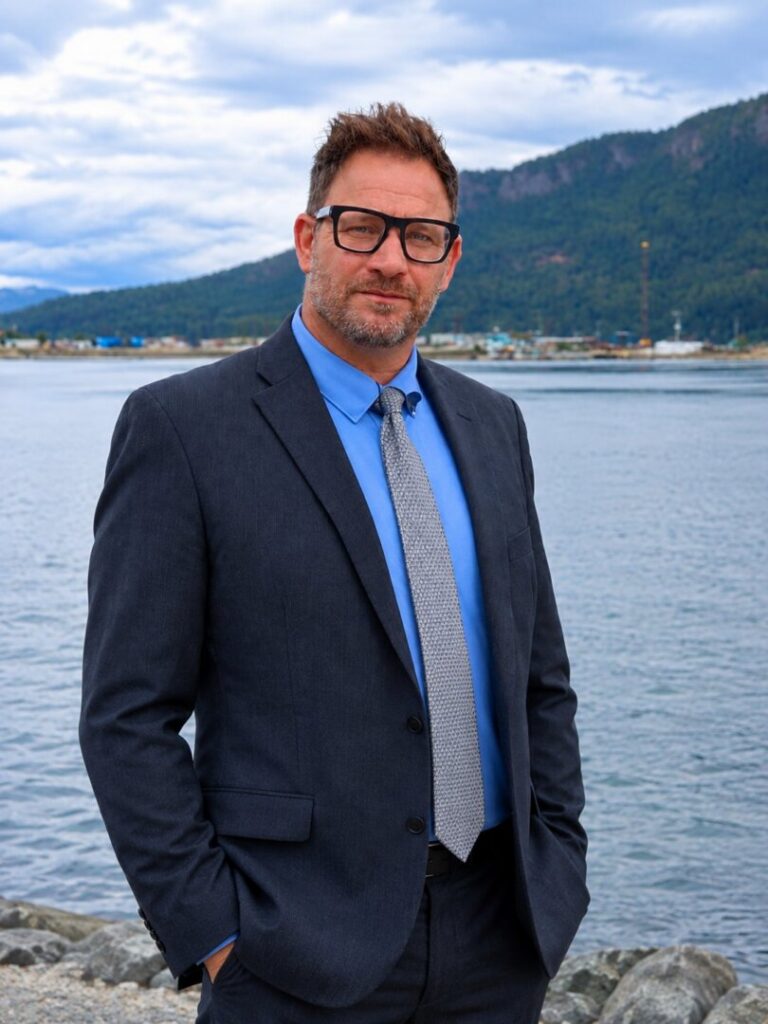
For more than two decades, Christopher Ducharme has worked on addressing critical gaps in Canada’s criminal justice, correctional, and public safety systems. Having lost five people to homicide by the age of 30, he both witnessed and experienced secondary victimization by our system, and transformed personal tragedy into a lifelong commitment to victims’ rights, dignity, and justice.
As the founder of BC Victims of Homicide, former President of the BC Bereavement Helpline, recipient of the Queen Elizabeth II Diamond Jubilee Medal, and contributor to the development of the Canadian Victims Bill of Rights, Ducharme has championed victims through national documentaries, educational initiatives, and legislative advocacy.
Now, as Founder of Victims First Canada, he continues to challenge systemic shortcomings and secondary victimization within Canada’s justice and parole systems, advocating for greater accountability, public safety, and meaningful national reform.
His mission is unwavering: to transform victims’ experiences into powerful evidence that holds institutions accountable for systemic public safety failures and drives meaningful legislative reform. He demands that victims’ rights are respected, prioritized, and elevated for greater input and participation than currently exists. Above all, he is committed to ensuring no victim or family is forced to live in fear, fight to be heard, or endure the same systemic failures that have harmed so many before them.